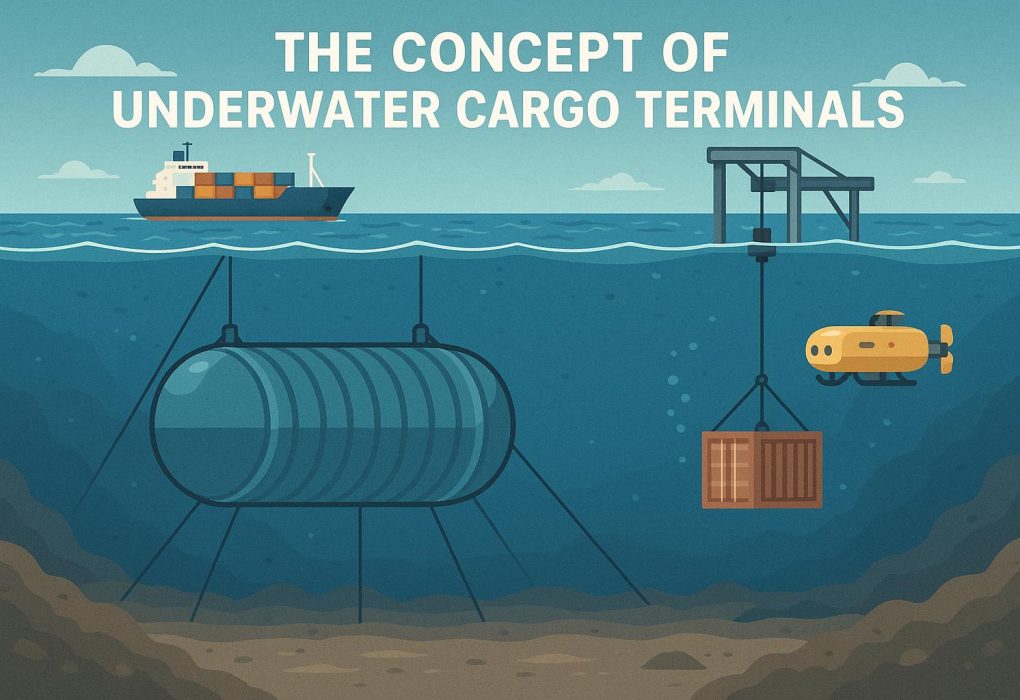
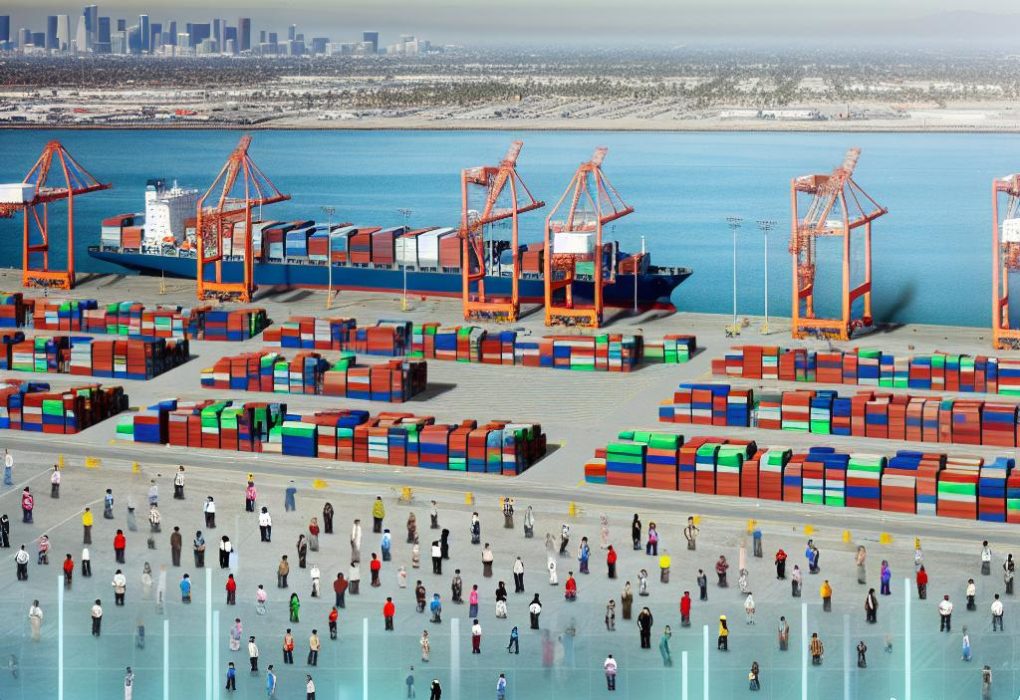
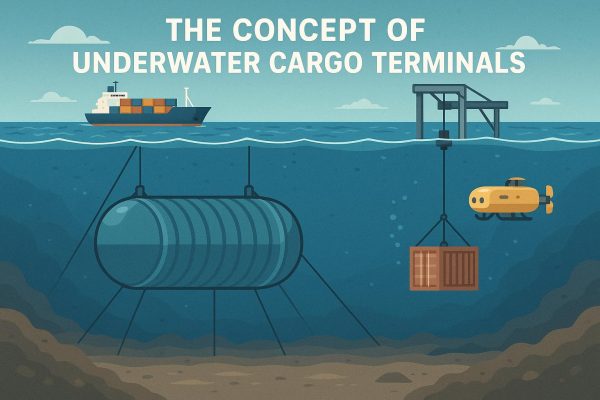
The Concept of Underwater Cargo Terminals
The Concept of Underwater Cargo Terminals Underwater cargo terminals have emerged as an innovative solution aimed at optimizing maritime logistics and addressing the challenges faced by traditional port facilities. These novel infrastructures offer unique advantages, primarily focusing on efficiency, environmental sustainability, and space utilization. As worldwide shipping continues to grow rapidly, the need for alternative…
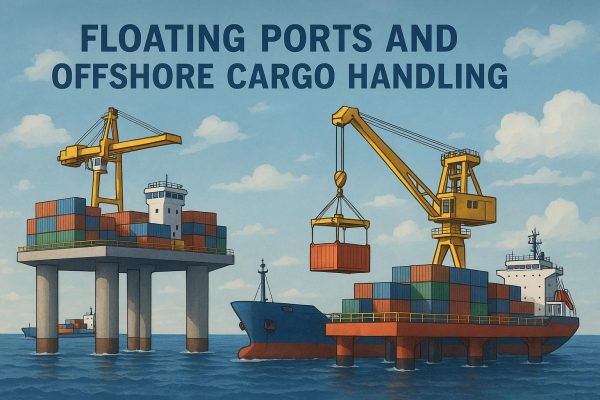
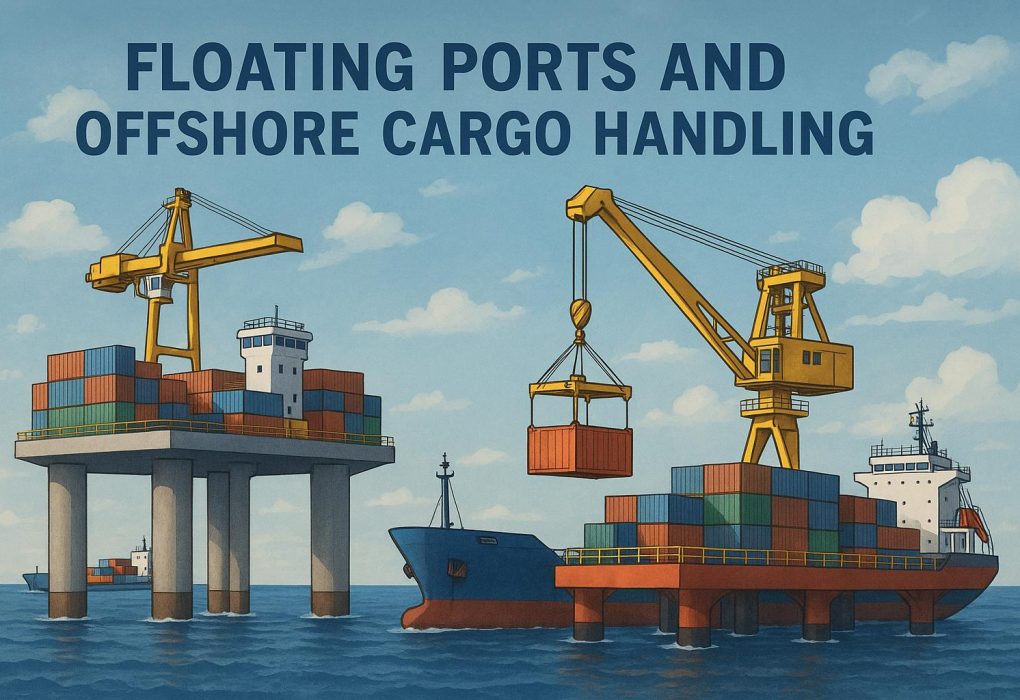
Floating Ports and Offshore Cargo Handling
Introduction to Floating Ports and Offshore Cargo Handling Floating ports and offshore cargo handling represent a transformative approach in the logistics and maritime supply chain sectors. As global trade continues to expand, addressing infrastructural limitations at traditional ports has become imperative. The evolution of floating ports presents an innovative solution to circumvent constraints posed by…
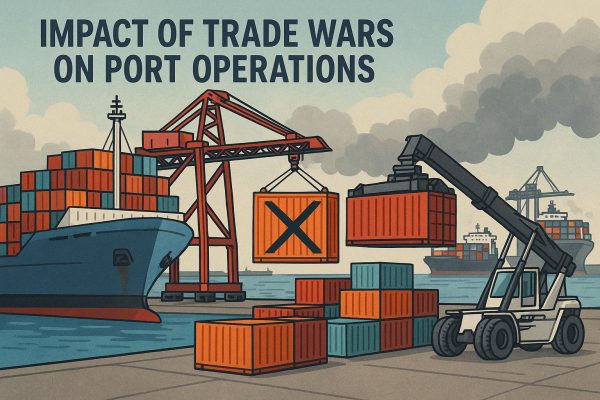
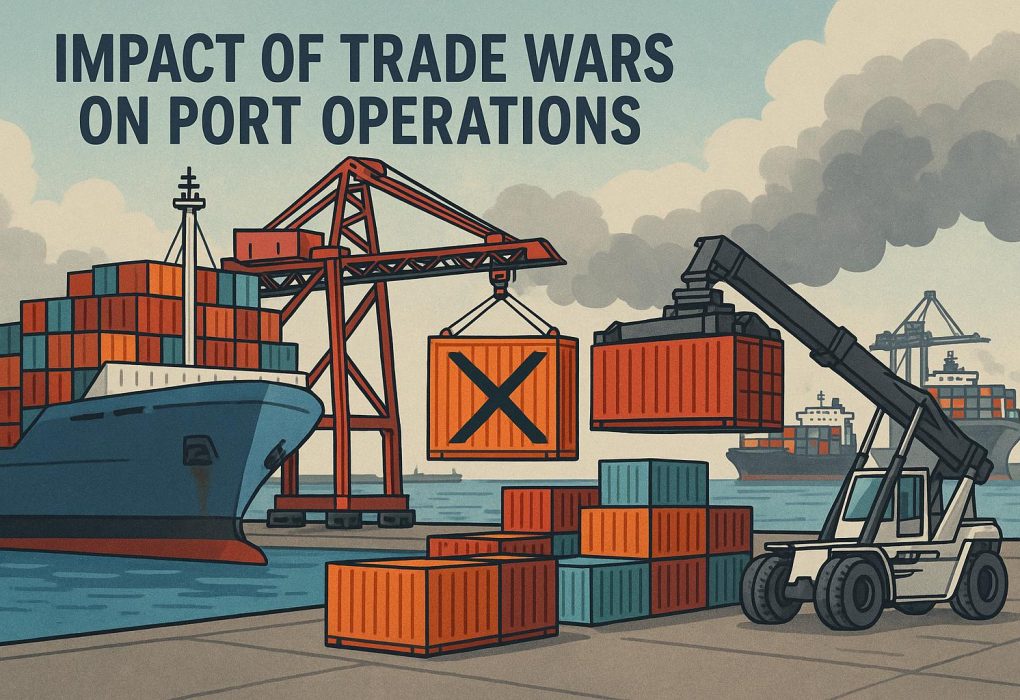
Impact of Trade Wars on Port Operations
Understanding Trade Wars Trade wars are a form of economic conflict that emerge when one or more countries implement tariffs or barriers on imports and exports, aiming to safeguard their domestic industries from foreign competition. These conflicts can ripple through the international economy, touching various sectors in some unexpected ways. A significant impact is observed…
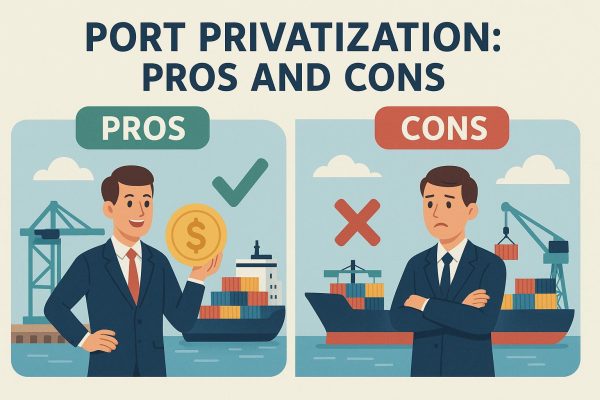
Port Privatization: Pros and Cons
Understanding Port Privatization Port privatization refers to the transfer of ownership, management, or operational responsibilities of ports from public to private entities. This shift usually aims to enhance efficiency, improve financial performance, and reduce government burden. To understand the implications, it is essential to examine both the advantages and disadvantages of port privatization thoroughly. Advantages…
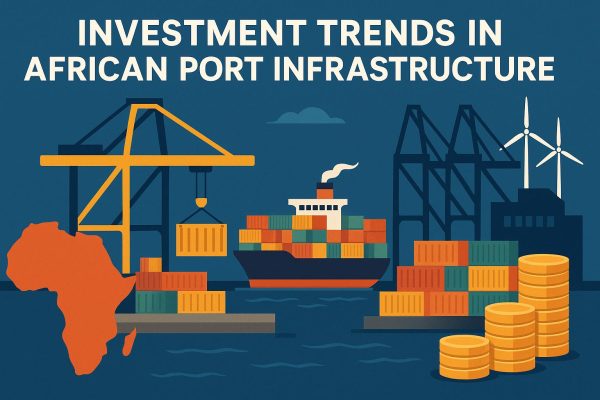
Investment Trends in African Port Infrastructure
Introduction to African Port Infrastructure Investments The African continent is undergoing a notable transformation in its port infrastructure, driven by an increase in investment trends. As a region characterized by potential economic growth, there is a pressing need for modern and efficient port facilities. Such investments are key to enhancing trade efficiency, reducing logistical costs,…
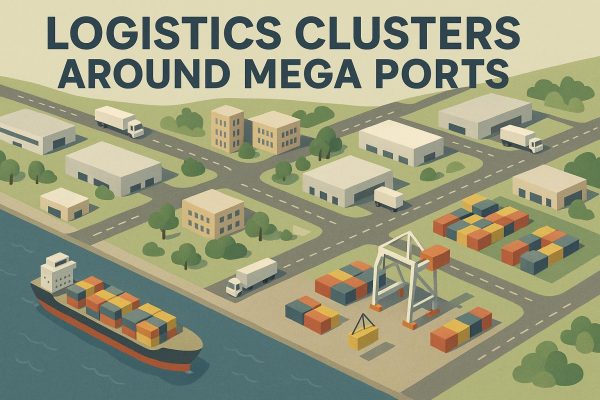
Logistics Clusters Around Mega Ports
Introduction to Logistics Clusters In the realm of global shipping and transportation, logistics clusters have emerged as pivotal components that foster economic growth and efficiency. These clusters are strategically situated around mega ports, facilitating extensive networks of activities related to the transportation, distribution, and storage of goods. The strategic location and infrastructure capabilities of mega…
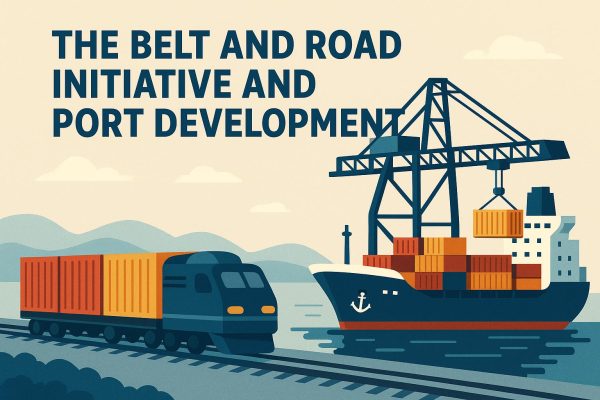
The Belt and Road Initiative and Port Development
The Belt and Road Initiative Overview The Belt and Road Initiative (BRI), launched by China in 2013, aims to enhance global trade and stimulate economic growth across Asia and beyond by developing infrastructure and broadening trade links. The initiative’s primary components are the “Silk Road Economic Belt,” which tracks the historical Silk Road overland, and…
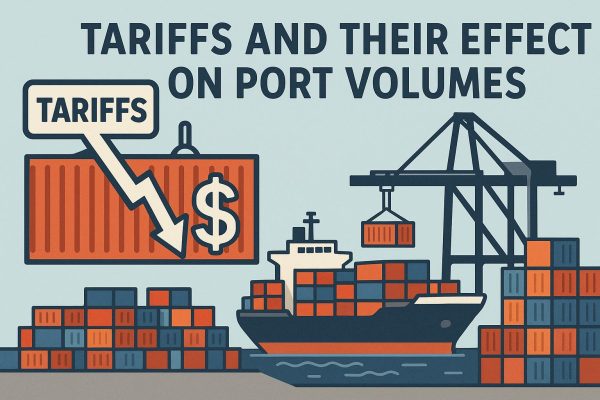
Tariffs and Their Effect on Port Volumes
Introduction to Tariffs Tariffs are taxes imposed by a government on imported goods, playing a substantial role in shaping a nation’s economic landscape. Governments use tariffs for several reasons, including protecting domestic industries from foreign competition, generating additional revenue, and responding to trade actions by other countries with retaliatory measures. Each of these usages has…
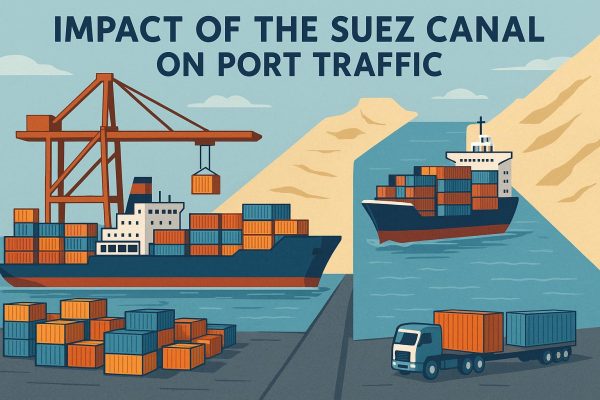
Impact of the Suez Canal on Port Traffic
The Role of the Suez Canal in Global Maritime Trade The Suez Canal, a crucial waterway located in Egypt, serves as a pivotal connector between the Mediterranean Sea and the Red Sea. This connection establishes the shortest maritime route between Europe and Asia, drastically altering the dynamics of global trade. Its strategic location and historical…
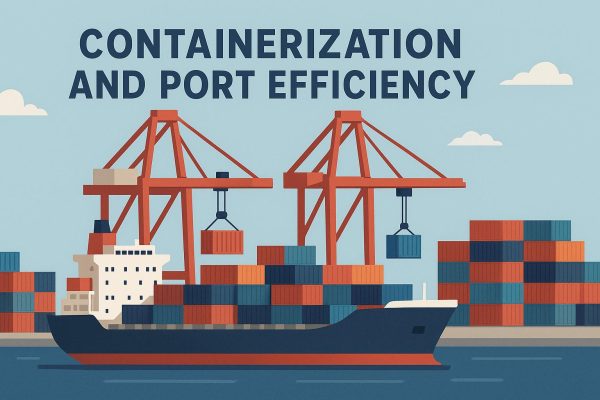
Containerization and Port Efficiency
Introduction to Containerization Containerization has revolutionized the shipping industry by enhancing the efficiency and reliability of shipping processes. By enabling goods to be packed into standardized containers, this method minimizes handling, reduces the risk of damage during transit, and simplifies the logistics of transporting goods across different modes of transport, such as ships, trains, and…